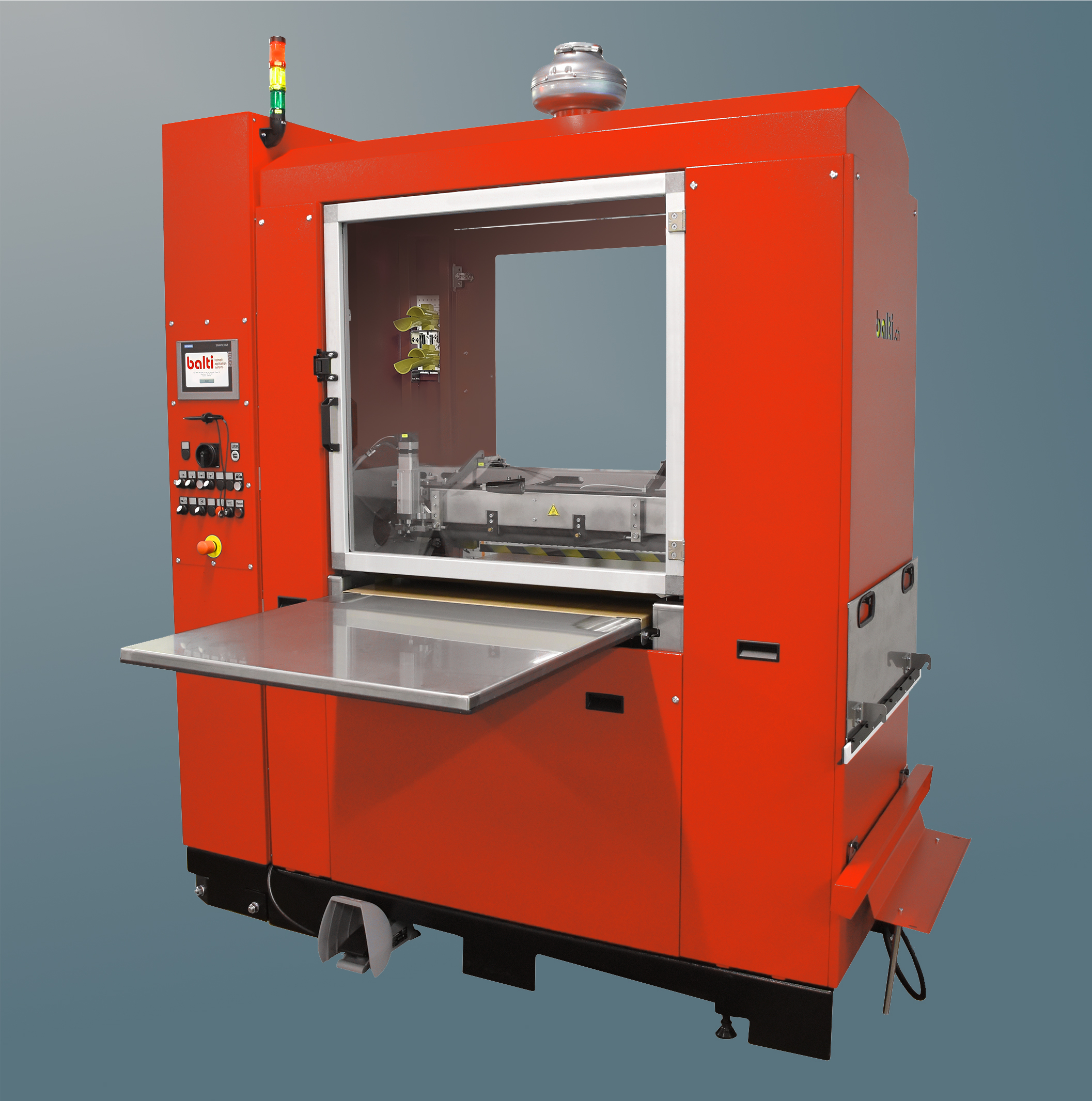
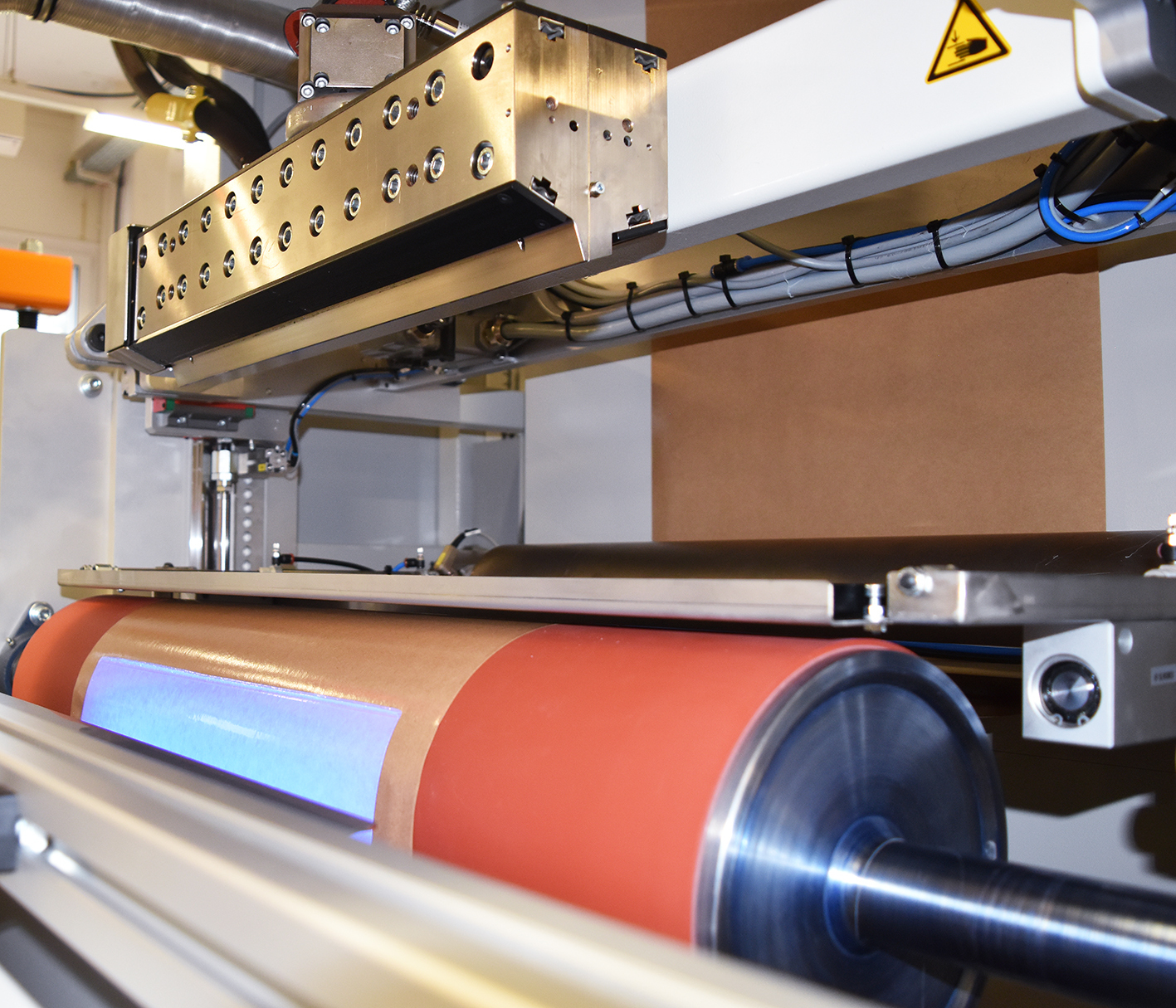
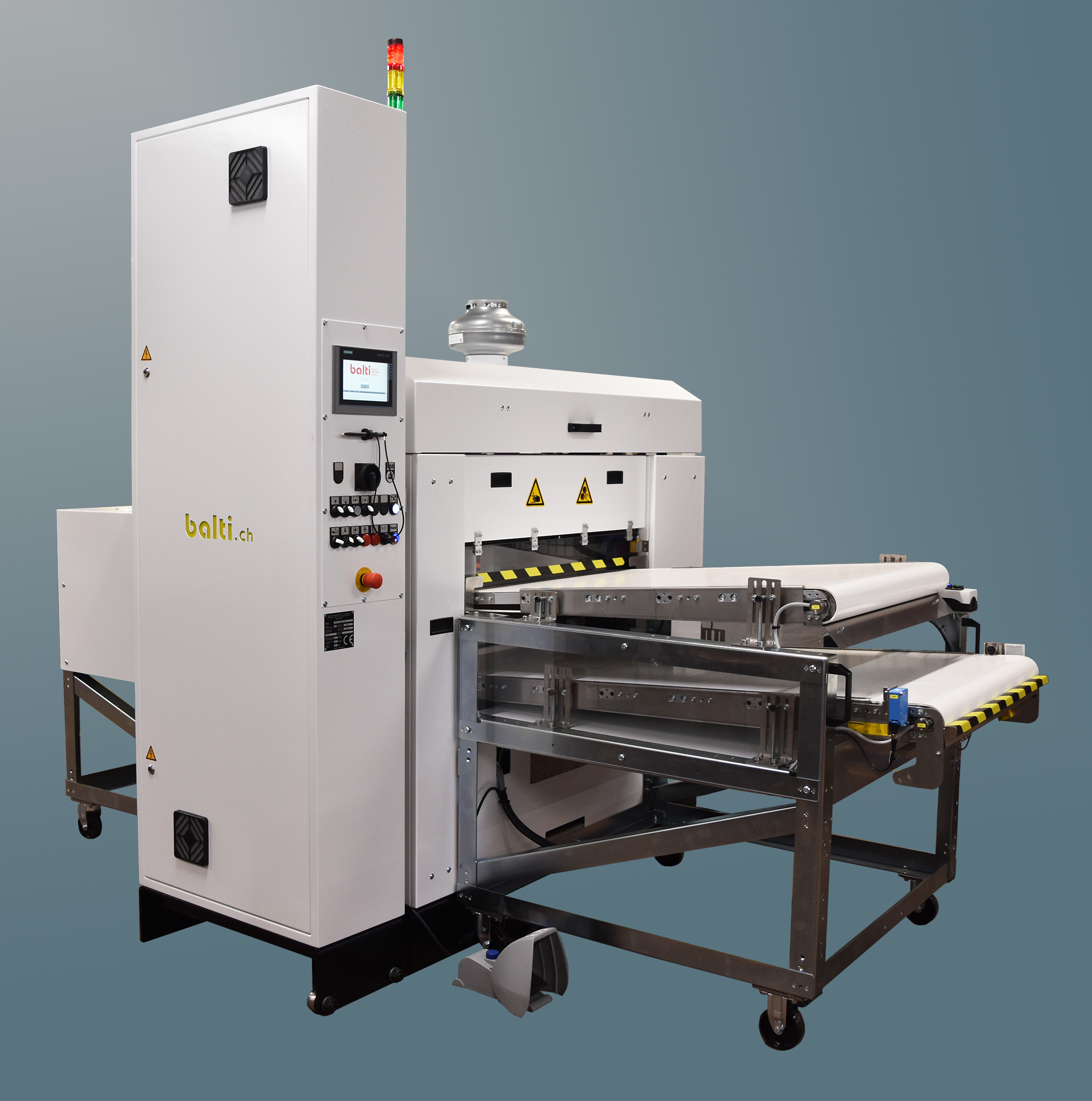
For full-surface application of hotmelt adhesive onto flat, rigid, or soft and flexible workpieces (cut parts), roller coating is virtually unmatched. Using the roller, the adhesive can be applied onto the substrate or even pressed into the fabric. Roller systems are also used for mesh-like materials or when partial coating is required. A finely metered adhesive film on the roller is transferred to the substrate in a process comparable to offset printing.

Adhesive application is achieved through direct contact between the substrate and the application roller. A wide range of parameters determines the adhesive laydown and is defined during commissioning. Programmable and automatic changeover is recommended when processing many different materials frequently.

  • Adhesive application width from 10 to 2,500 mm; up to 1,050 mm using the closed-tank principle; beyond that, open double-roller principle
  • Adhesive coat weight: 10–300 g/m²
  • Production speeds up to 40 m/min
  • Countless options for processing different materials, automation upgrades, handling solutions, premelters, etc.
  • Best-in-class for reactive hotmelt adhesives

Standard roller coater sizes:

  • WAG-150
  • WAG-300
  • WAG-450
  • WAG-650
  • WAG-820
  • WAG-1050

Example: WAG-150 corresponds to an application width of 150 mm. Smaller or larger application widths than the listed standard sizes are available on request.
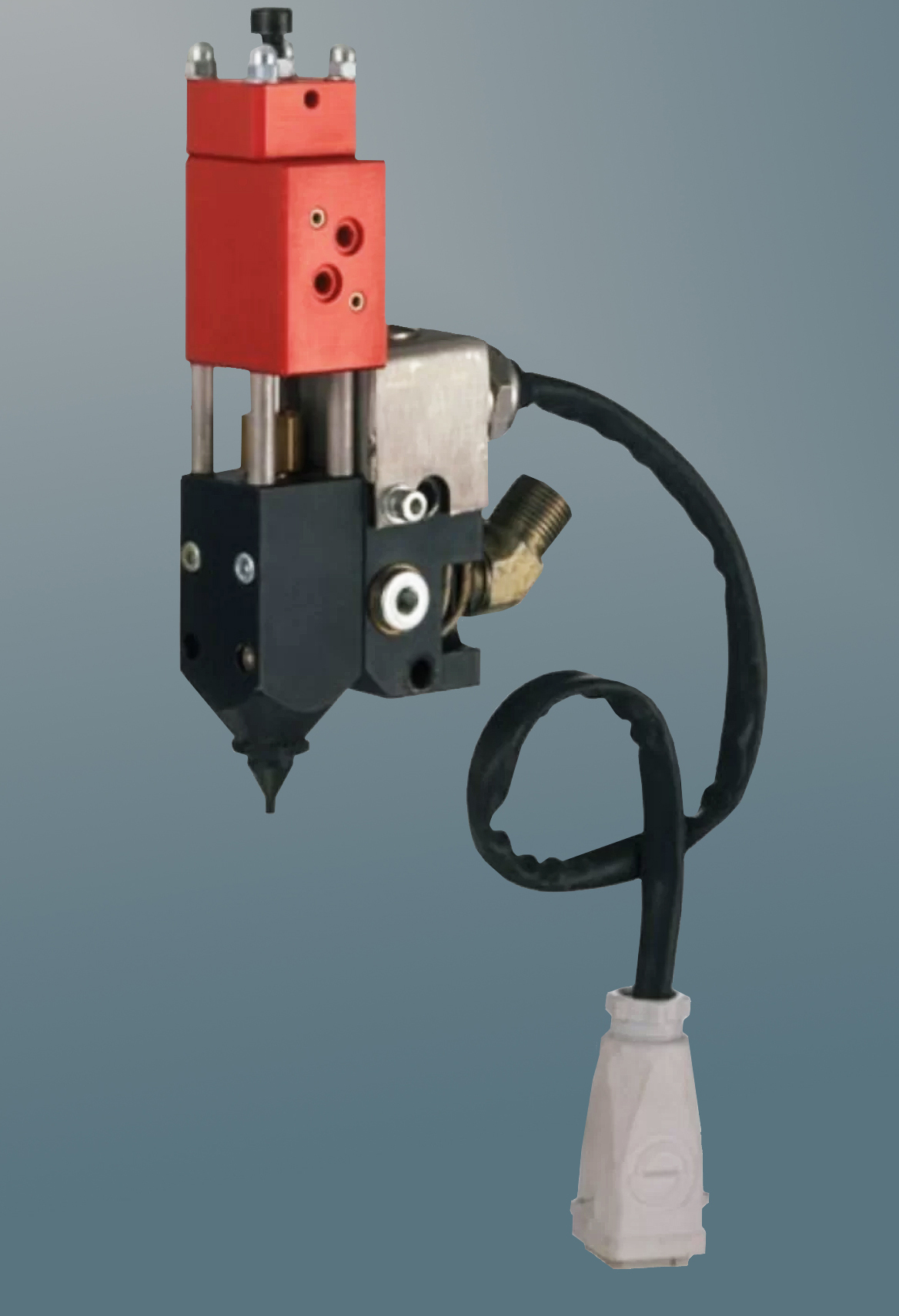
On/off valve for spot, bead and spray application:

Versatile application valve for manual and automatic application of standard and reactive adhesives and sealants in a wide range of shapes and sizes thanks to customized nozzles. With a spray air extension on the valve, the adhesive can also be sprayed over a large area.

  • The largest: AV-530
  • The Universal: AV-535, SV-535
  • The smallest: AV-538, SV-538
  • up to 250°C
  • from a few mm3/min. to 1'000 cm3/min.
  • Special versions with membrane seal for abrasive media, rotary instead of valve gate, integrated dosing piston, slotted nozzle connection, rotating nozzle and much more.

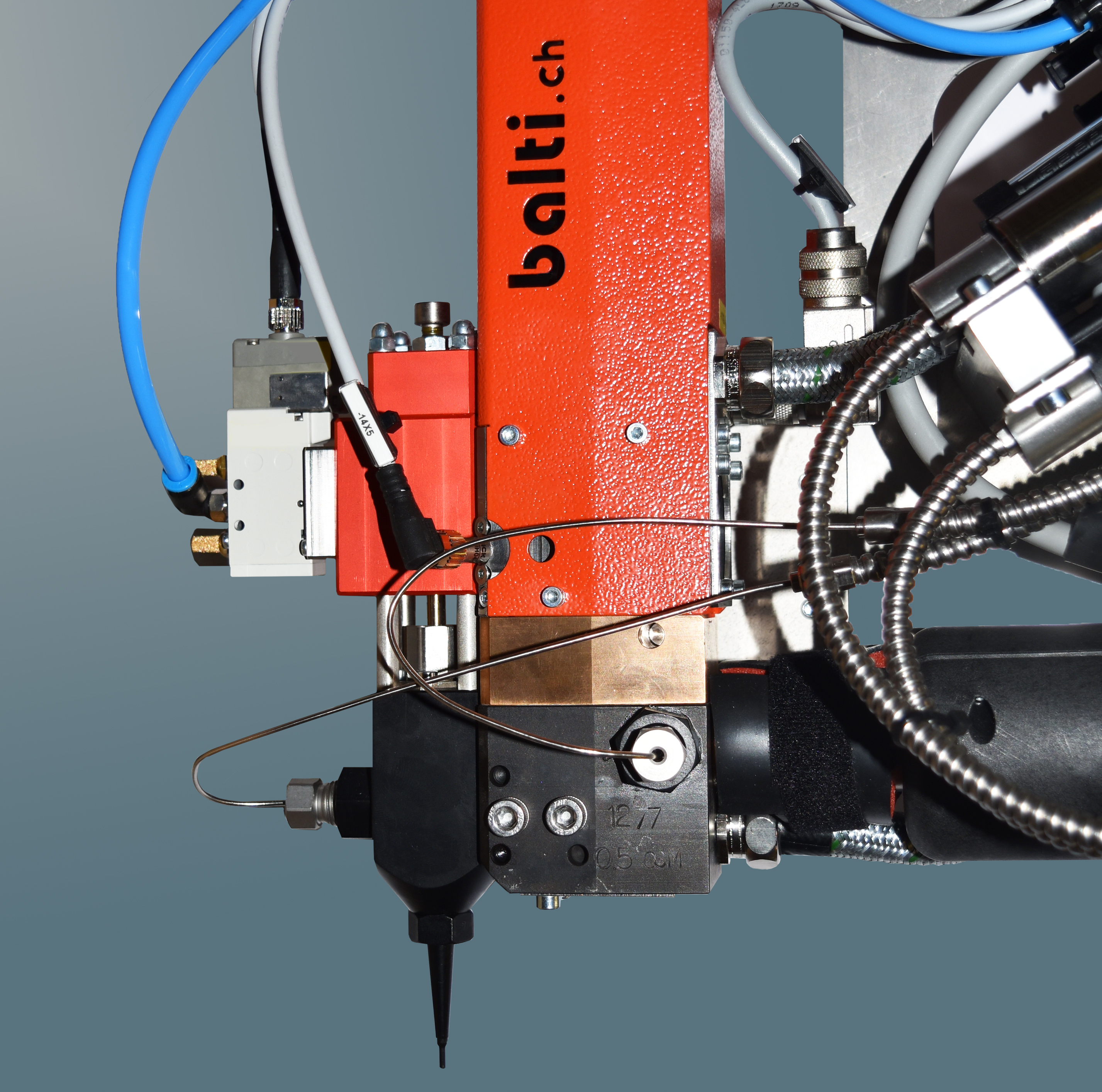
As already mentioned under Delivery / Dosing Pumps, the dosing pump valve (DPV) is the crowning glory of dosing, as it is integrated directly in the application head and placed directly in front of the nozzle.

Thanks to the short reaction time, the DPV enables a perfect adhesive application, which can be controlled by a robot or other multi-axis systems, also speed-dependent via a 0–10 V signal. Even the beginning/end of an application can be optimally dosed or more or less applied at specific points.

A high-tech product from balti that is still unrivalled today – highest performance and precision at lowest possible weight.

  • Dosing capacity from 0.12 to 15 cm3/revolution or up to 1'000 cm3/min.
  • Weight DPV up to 100 cm3/min. < 4 kg / accuracy < 3% guaranteed; effectively mostly < 1
  • Process monitoring options for volume and pressure
  • for a wide range of nozzles and application systems – also directly coupled to a slot nozzle
  • Rotating nozzle directly on DPV for e.g. all around profile beads
  • Multi-dosing and mixing units (HMM)

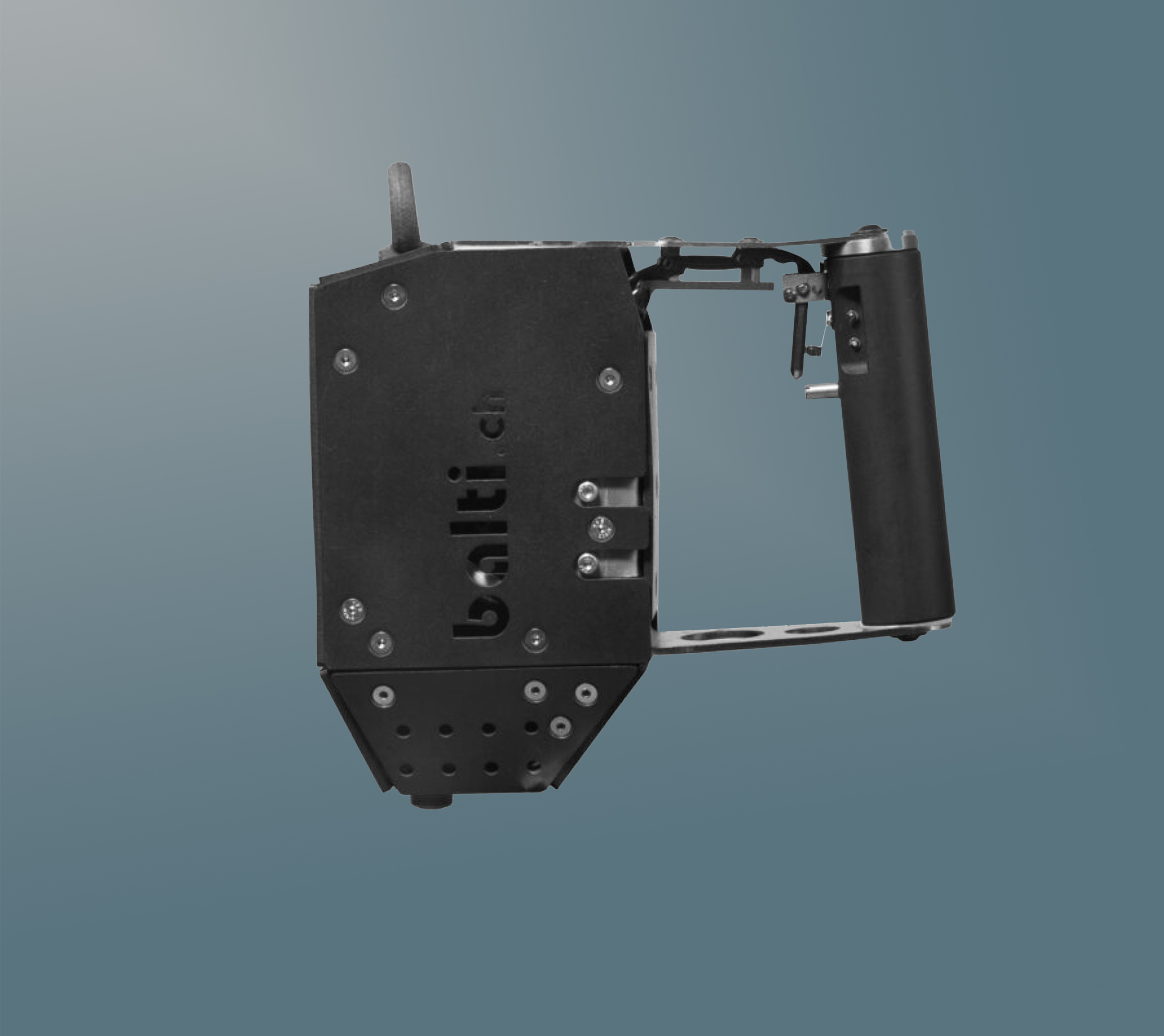
Versatile and practical hand gun for manual application of adhesives and sealants in a wide range of shapes thanks to a wide range of standard and customized nozzles. With a spray air extension on the hand pistol, the adhesive can also be sprayed over a large area.

  • MAV-53x for bead application
  • MSV-53x for spray and caterpillar application
  • Application rate up to 100 cm3/min (depending on adhesive) and 100 bar pressure
  • integrated, pneumatically controlled adhesive valve operated by the electric finger switch

Large, thick, thin, long, short, etc., there are no limits to the nozzle variety. Whether contactless spraying or, as is usually applied (nozzle tip is guided over the surface at a certain height), the type of adhesive and the application environment largely determine the shape and size of a nozzle. However, it is important to keep the nozzle as short and compact as possible and the inner diameter as large as possible.

Each valve type requires a different nozzle connection (thread size). A suitable closing rod also belongs to a certain nozzle. A round nozzle is rarely heated separately and draws its heat from the valve. A heated nozzle station is recommended for long nozzles.

  • Inner diameter: from 0.3 to 10 mm
  • Length: from 5 to 100 mm
  • Nozzle tip: Application specific
  • Surface treatment for e.g.: reactive hotmelt
  • Special shapes: angled, lateral adhesive outlet, front closure etc.
  • Optional: heated nozzle, heated nozzle station; angel hair tear-off unit

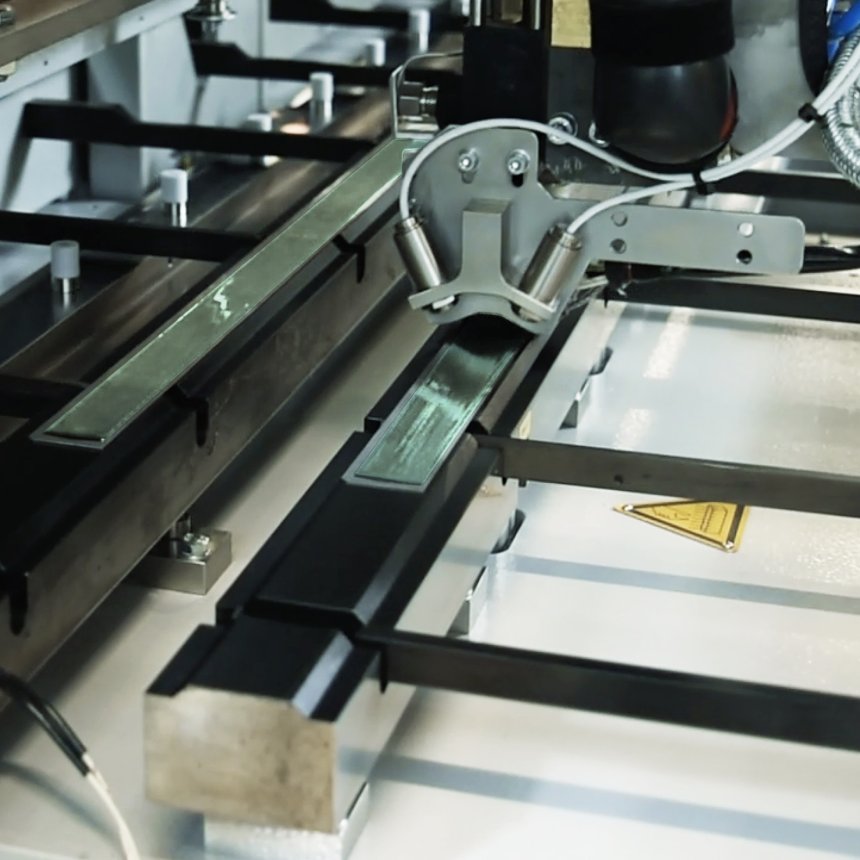
Adhesive is applied to a substrate with a slotted nozzle. The big advantage of a slot nozzle is its closed, hermetically sealed system, which is especially advantageous for reactive Holtmelt. Mostly on webs in a continuous process, but also an intermittent application on substrates, in which this or a slot nozzle is used, is becoming more and more common. Low- and high-viscosity materials are applied with different application thicknesses to a fixed, digitally or analogously adjustable width. The application is therefore mostly in rectangular form. From practically continuous film to completely open-pored, partial application, a wide variety of application patterns are possible. But this also depends on the substrate and its surface. In order to ensure optimum adhesive application, the slit nozzle is heated separately in each case.

  • Application width from 2 to 2'500 mm; fixed or adjustable
  • Layer thicknesses from 0.002 (approx. 2 gr./m2) to 8 mm
  • one or more directly coupled dosing pump(s)
  • Special nozzles for e.g. book spine gluing, edge gluing etc.

Spray valve with integrated or upstream spray air heating together with the spray nozzle form the spraying system. With air support, the adhesive is lengthened or torn apart when it exits the nozzle and distributed in width depending on the flow rate/angle and distance to the surface. The air-assisted spraying process depends on several factors and is usually evaluated and tested in advance. We would be pleased to support you in finding the optimal constellation.

Experience and a huge assortment of standard and innovative new valves and nozzles as well as an outstanding system technology – which "manages" the adhesive from the original container to the point and time of application – solves practically every surface application requirement.

  • single and multiple valves/nozzles
  • regulated and synchronised volume flows for adhesive and air
  • Spray to the exact edge or coat large areas in the shortest time