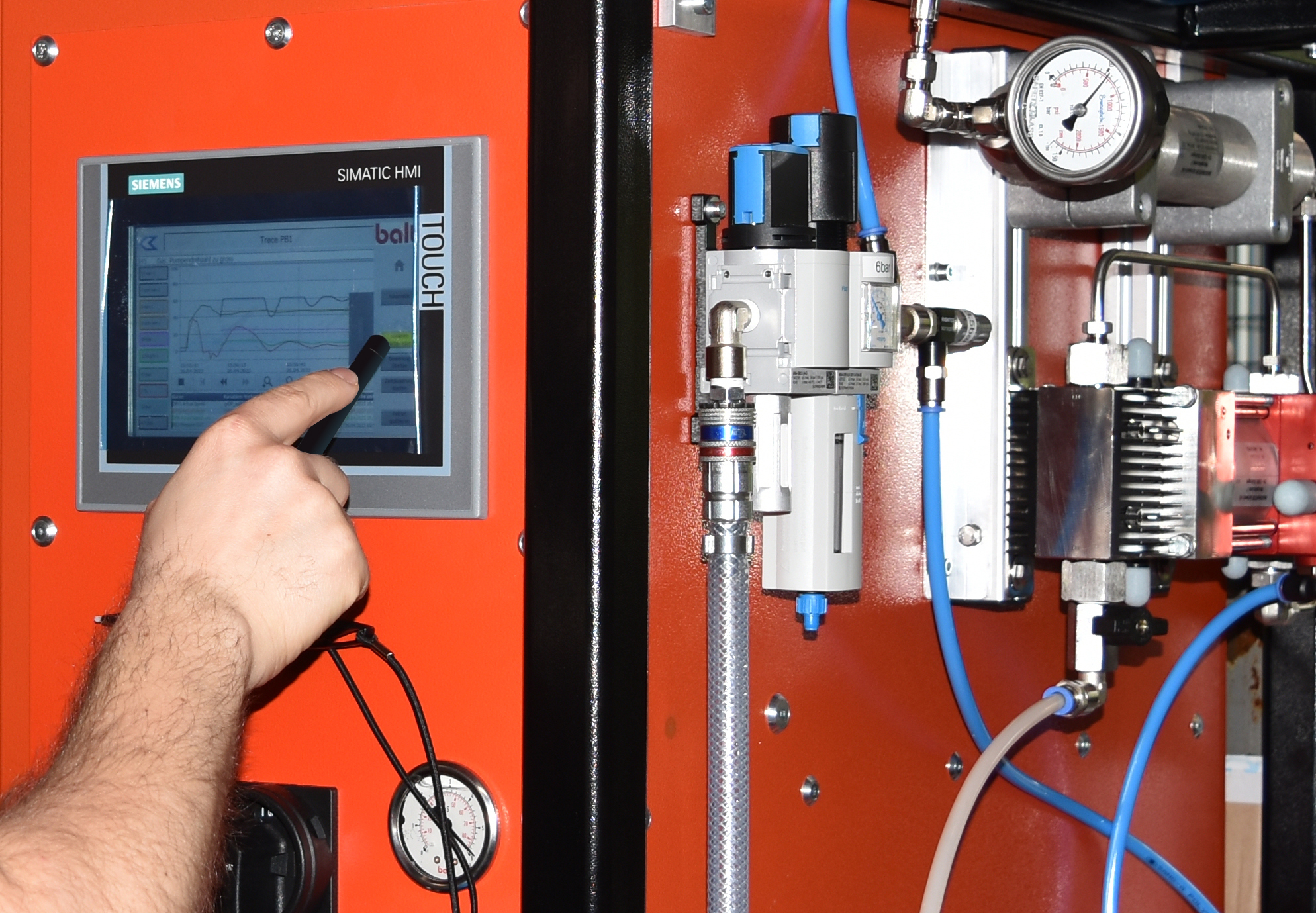
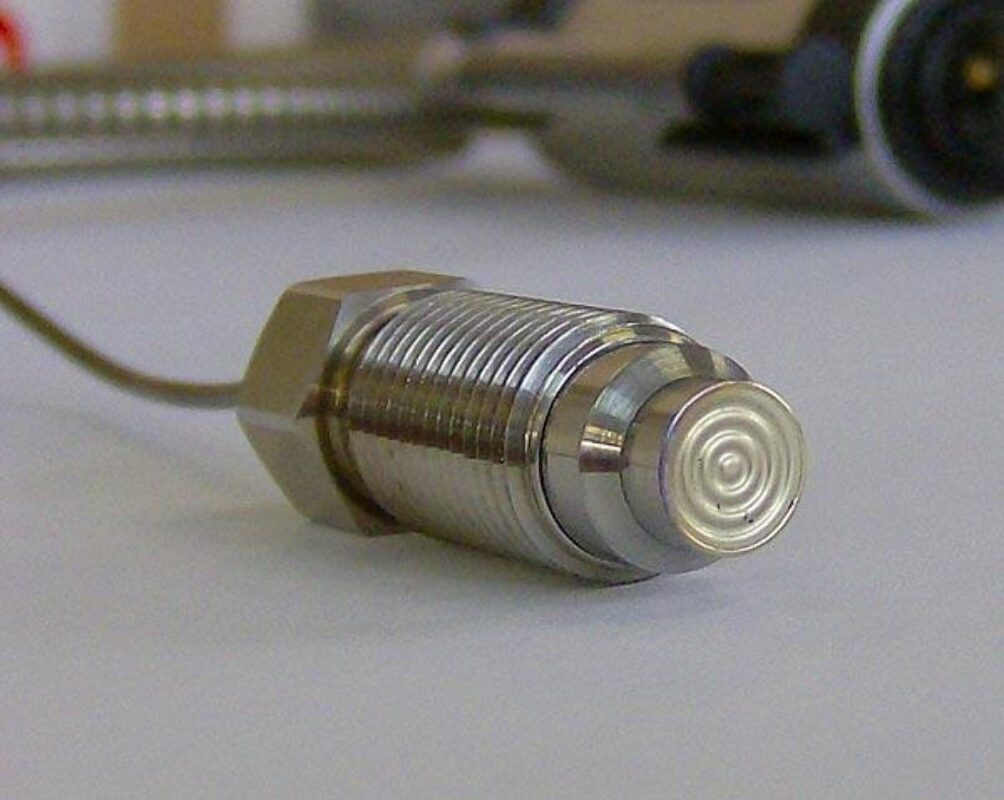
Direct methods – control directly after application – check whether the adhesive is actually in the right quantity and in the right place. Thanks to newer technology and more attractive prices, they are being used more often.

Examples of indirect methods:

  • Pressure monitoring
  • Volume counter
  • Valve position sensor
  • Temperature sensor (measurement of the adhesive directly before the nozzle outlet)

Examples of direct methods:

  • tracking sensors with laser, IR, luminescence, reflection etc.
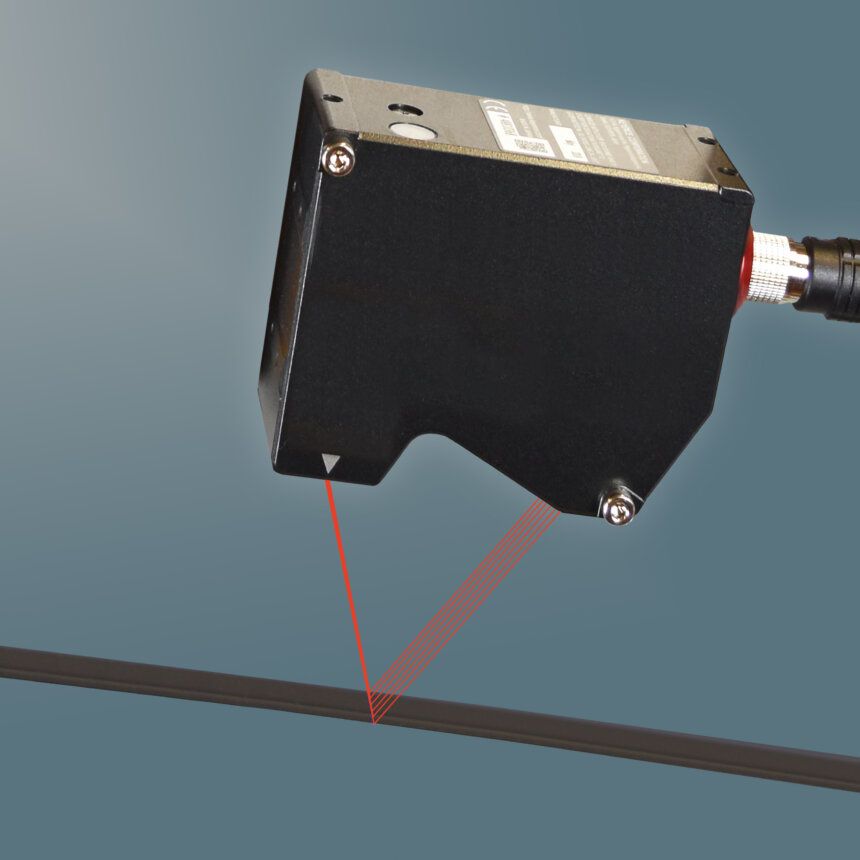
  • Laser cut sensors and corresponding evaluation
  • Vision systems (image or IR)

Component tolerance correction:
High-precision joining resp. compensation of component tolerances with prior measurement of the component and control of the adhesive quantity.

►see also complete systems

Various and very innovative standard and self-developed sensors can be a low-cost, but also high-quality solution.

Compact vision systems, as increasingly marketed by a wide variety of suppliers, still satisfy application requirements in only a few cases. High-end vision systems can solve practically any problem. balti is glad to help with the evaluation and implementation in a complete system.

Point or laser cut sensors, "trailing" the application or in a second process step, including their evaluation and presentation on a display, enable the presence and quantity of the applied bead to be checked. balti also offers complete systems with component tolerance compensation.
Two different methods are used for volume measurement. Traditionally, the rotation (volume per tooth step) is measured and evaluated by an independent, non-driven gear pair. However, this method is particularly susceptible to interference with reactive adhesives.

As a very reliable method, a counting system directly integrated into the dosing pump in combination with a pressure monitoring system has established itself. balti offers such systems with integrated evaluation, including the possibility of limit value parameterisation, or provides the signals at the interface for a higher-level evaluation.

One or more sensors monitor the position of the adhesive valve (open/closed).

Mostly today, before and also after feeding and dosing pumps, filters, nozzles, etc. pressure switches (detection of min. or max. pressure) or pressure sensors with an analog (mostly 0–10 V) output signal are used. Depending on the application and space conditions there are different types of sensors.

With an evaluation of the analogue pressure signals together with a "closed-loop" dosing pump, direct conclusions can be drawn about the amount of adhesive.